Bridal
Dresses for the ceremony and other wedding events: the most expensive part of the catalog with a detailed card and installments.

Shopify · New Line · Wedding storefront
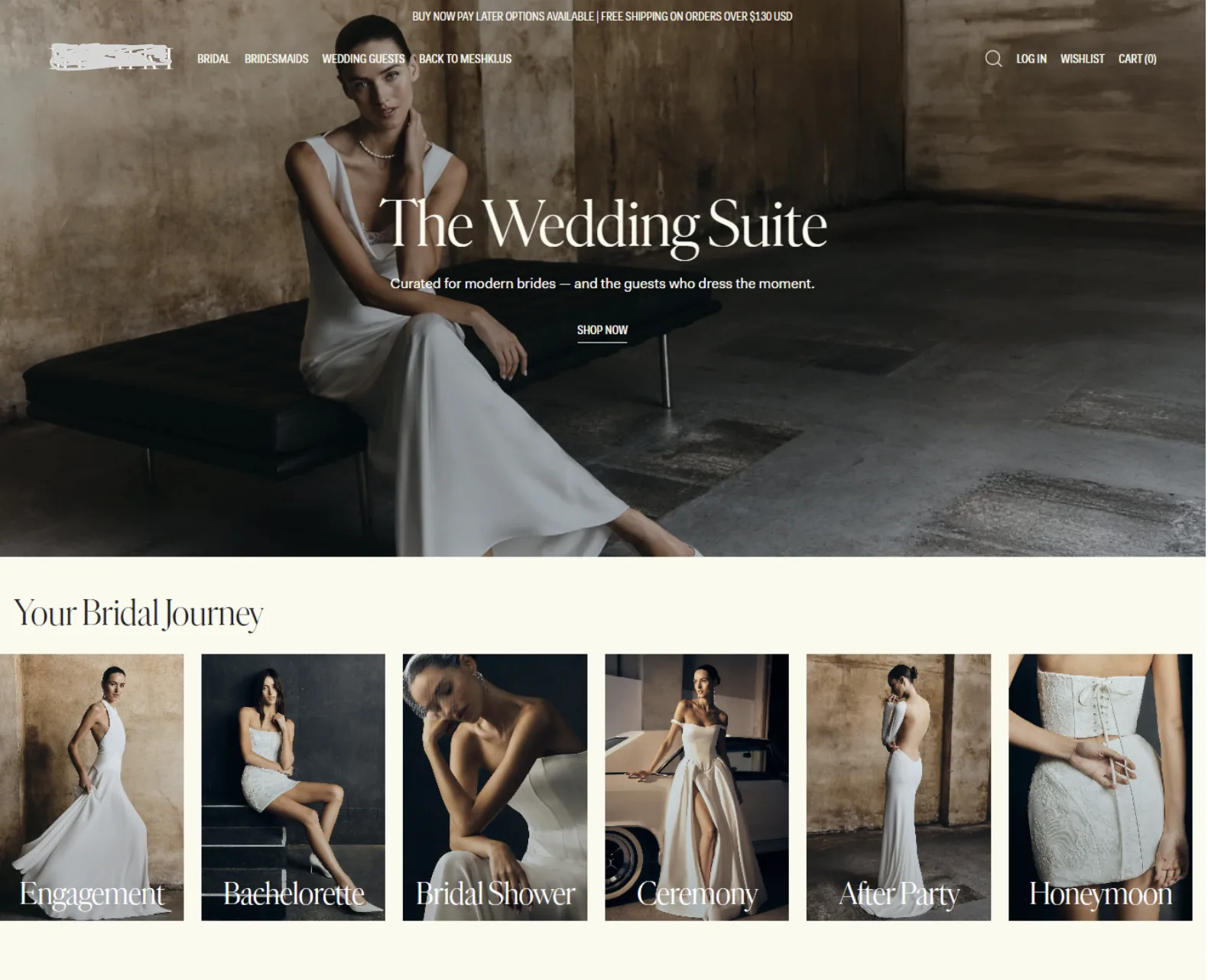
A fashion brand was launching a bridal collection and did not want it diluted in the general dress catalog. We built on Shopify a separate storefront with its own wedding-stage navigation, shade picker, and installment payments — sharing the main store’s cart and checkout.
The brand already had a working women's clothing store with a large catalog of dresses. The wedding collection did not fit into it: a different price level, a different presentation, a different pace of decision-making.
The client formulated the task as follows: “let it look like a separate wedding brand, but live inside our store.” Two separate sites would mean double work with the catalogue, orders and advertising.
We have put together a storefront-within-a-storefront: our own design and navigation, but a common shopping cart, warehouse, payments and analytics. Go back to the main store with one link in the menu.
A wedding is not one event, but a chain: engagement, bachelorette party, rehearsal, ceremony, afterparty, honeymoon. Each requires its own image, and the buyer usually remembers this not immediately, but as the date approaches.
A storefront built along this chain sells more than one item. She not only answers the request, but suggests reasons that the bride has not yet thought about.
A separate scenario is guests. Their main question is not “what style”, but “what color is allowed according to the dress code”, and it needs to be solved at the level of a filter, not a description.
Your own menu: Bridal, Bridesmaids, Wedding Guests and a link back to the main store. The storefront looks independent, but lives in the same Shopify.
Bridal Journey block with six display cases - from engagement to honeymoon. This is both navigation and a way to sell several images instead of one.
They made a color switch for guests: you select a shade from the palette and see only matching dresses. This is the main filter for the wedding dress code.
Model name instead of article number, large photos in motion, composition and fit, recommendations for the image. The buyer must see herself in the dress before ordering.
Connected payment parts, free delivery of the amount and discounted SMS subscription - the basis for upselling images for the next events.
A block of photographs of wedding shoppers: live footage sells the dress more convincingly than studio photography and removes the fear of “it looks different in life.”
The bride, bridesmaids and guests come with different questions. We have separated them into separate sections so that each group does not scroll through unnecessary things.
Dresses for the ceremony and other wedding events: the most expensive part of the catalog with a detailed card and installments.
Платья для подружек невесты в едином наборе оттенков — покупка сразу на несколько человек.
storefront for guests with color matching: “dress code matters” is the main argument of this section.
We outlined the path of the bride, bridesmaids and guests and turned it into the structure of display cases and menus.
We collected the main page, stage showcases, dress card and mobile version in a separate, quieter presentation.
We downloaded the collection, associated shades with filters, configured sizes, availability and recommendations for the image.
We connected the installment plan, SMS subscription and UGC block, processed the orders and launched the storefront by the start date of the collection.
Logo and domain are hidden in screenshots by agreement with the client.


The wedding line was released in time for the collection’s launch date and operates as a separate line of the brand.
Navigating through the wedding stages turns one purchase into a series of looks.
The bride, bridesmaids and guests do not interfere with each other and see only their windows.
The shade switch closes the main question of guests without correspondence with support.
Installment plans at checkout remove the price barrier at the very marginal part of the catalogue.
Common cart, warehouse and orders: the brand does not maintain a second website and does not duplicate the catalog.
We wanted the bridal collection to feel like a separate brand, but we didn’t want a second site and a second warehouse. It turned out exactly like this: it has its own storefront, but there is only one store.

storefront inside an existing store

Bridal Journey and selection by shades

Installment plan at checkout

Discount subscriptions and newsletters

Separate audiences for the line

Photos of brides on display
E-commerce projects on Shopify
 E-commerce
Saint Vandal: a Russian brand entered an international market
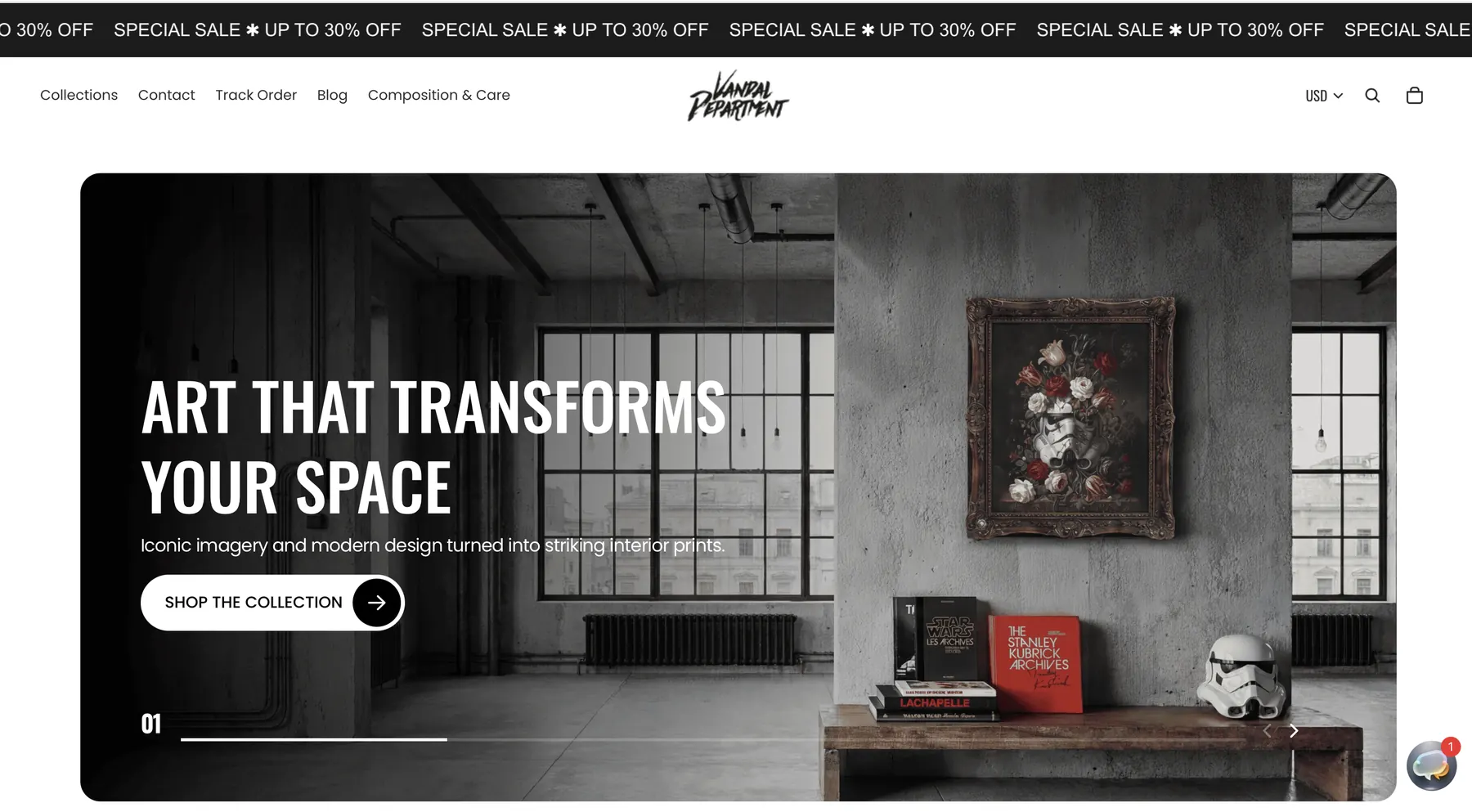
The brand already had a store in Russia. For the EU, UK, and USA we built a separate Shopify — Vandal Department: English site, catalog, and Stripe.
EU·UK·US
Markets
4
Collections
View case
E-commerce
Saint Vandal: a Russian brand entered an international market
The brand already had a store in Russia. For the EU, UK, and USA we built a separate Shopify — Vandal Department: English site, catalog, and Stripe.
EU·UK·US
Markets
4
Collections
View case
 E-commerce
Kitchen appliances: entering the US and Europe
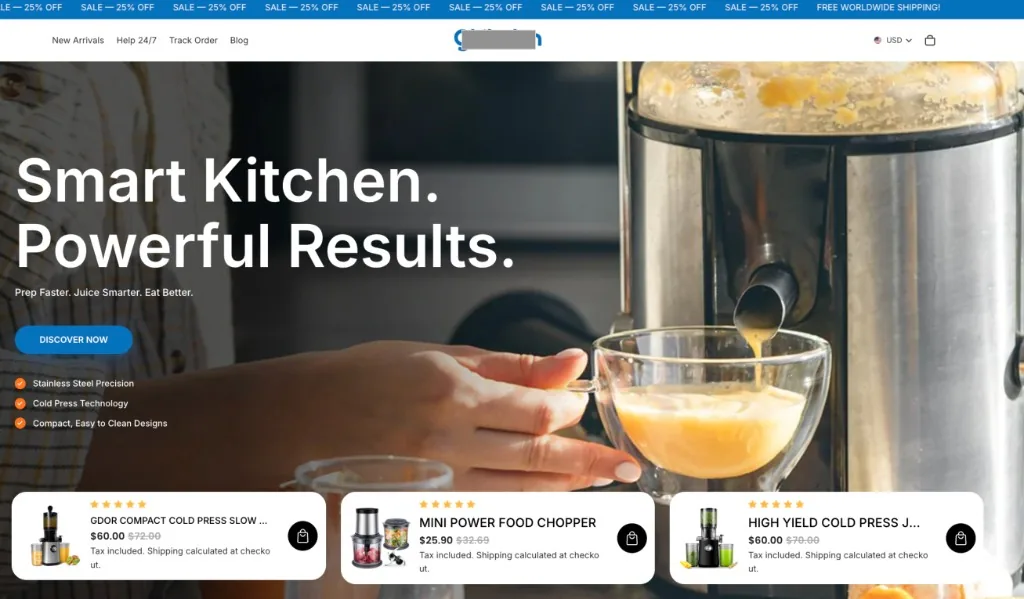
An entrepreneur from Russia with their own assortment and a supplier in China: Shopify, US LLC, account, and payments for sales in the US and Europe.
USA · EU
Markets
US LLC
Company
View case
E-commerce
Kitchen appliances: entering the US and Europe
An entrepreneur from Russia with their own assortment and a supplier in China: Shopify, US LLC, account, and payments for sales in the US and Europe.
USA · EU
Markets
US LLC
Company
View case
 E-commerce
Shopify dog products store for the US market
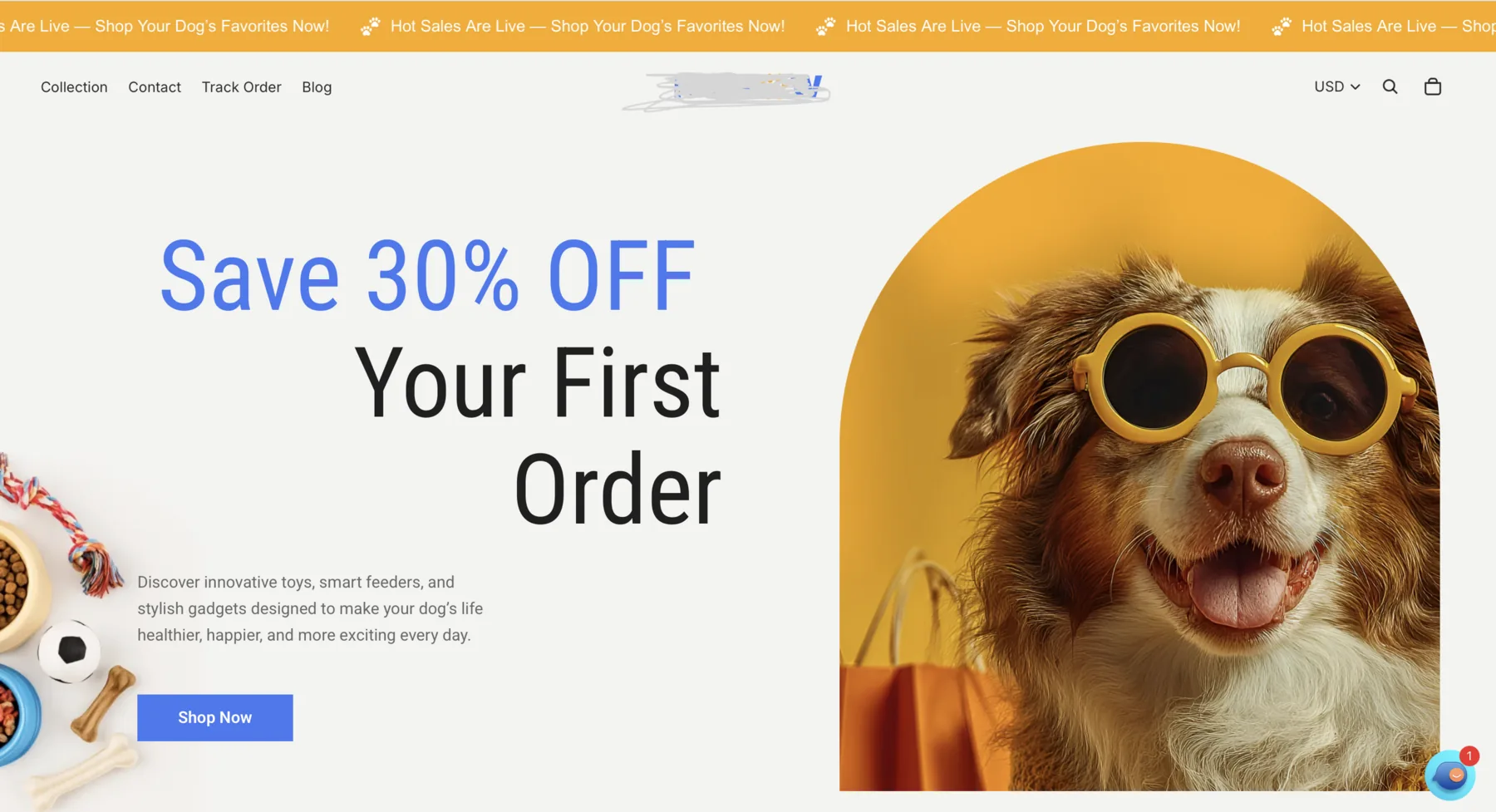
A Wildberries entrepreneur tested an international market: USA, dog products, a supplier, and a turnkey Shopify store.
USA
Market
3 weeks
Launch
View case
E-commerce
Shopify dog products store for the US market
A Wildberries entrepreneur tested an international market: USA, dog products, a supplier, and a turnkey Shopify store.
USA
Market
3 weeks
Launch
View case
 E-commerce
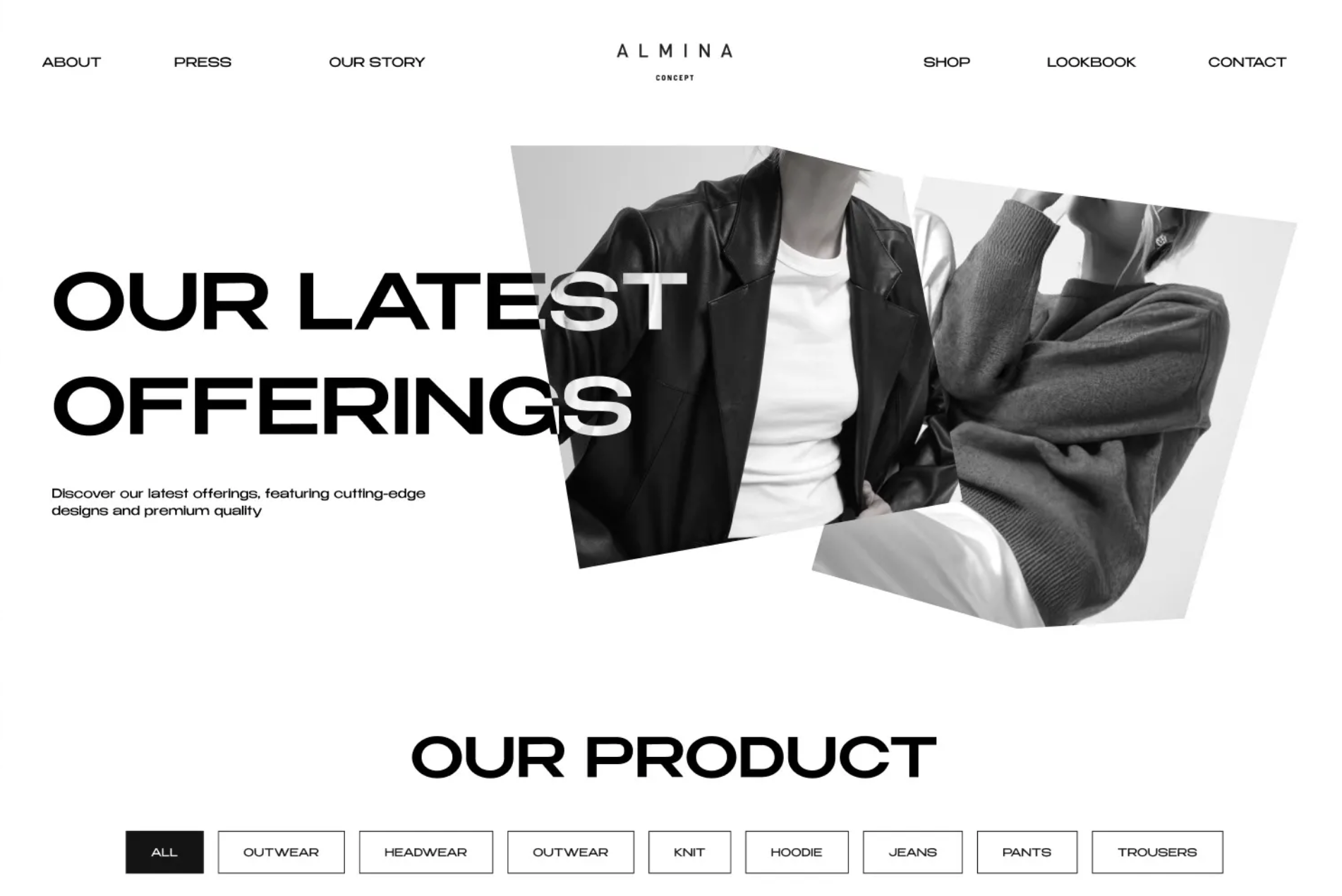
Apparel store migration: WordPress → Shopify
We migrated an apparel online store from WordPress to Shopify: catalog, payments, SEO, and a no-downtime launch.
+40%
Sales growth
1.2с
Speed
View case
E-commerce
Apparel store migration: WordPress → Shopify
We migrated an apparel online store from WordPress to Shopify: catalog, payments, SEO, and a no-downtime launch.
+40%
Sales growth
1.2с
Speed
View case
 E-commerce
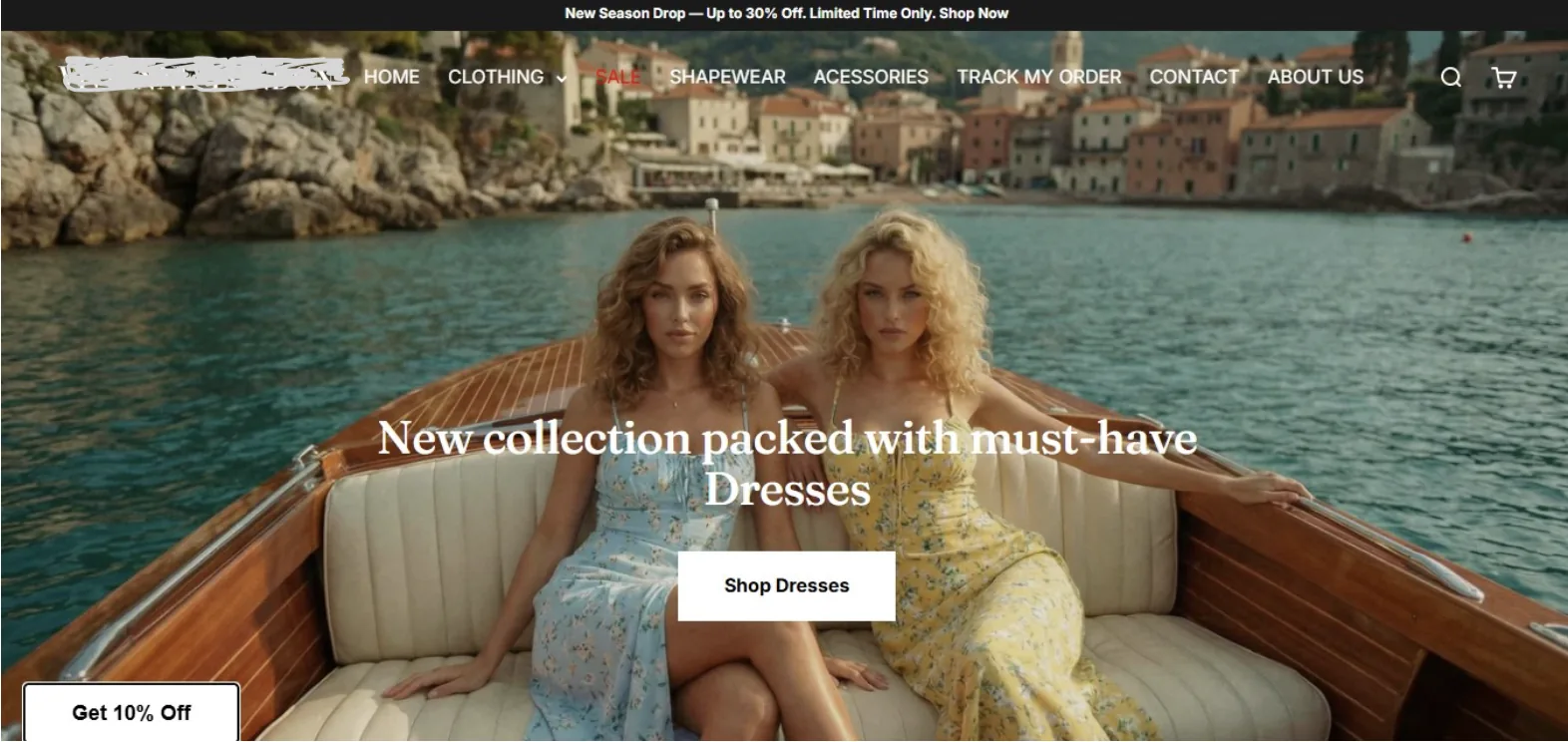
Dresses store in the UK: company, account, and payments
Client without a legal entity or account: we registered a UK LTD, opened a business account, connected GBP payments, and built the storefront.
LTD
UK legal entity
3 weeks
Full project
View case
E-commerce
Dresses store in the UK: company, account, and payments
Client without a legal entity or account: we registered a UK LTD, opened a business account, connected GBP payments, and built the storefront.
LTD
UK legal entity
3 weeks
Full project
View case
 E-commerce
Pets Store LLC
Shopify pet products store with US LLC registration, EIN, and payment setup.
US LLC
Company
EIN
Tax ID
View case
E-commerce
Pets Store LLC
Shopify pet products store with US LLC registration, EIN, and payment setup.
US LLC
Company
EIN
Tax ID
View case
 E-commerce
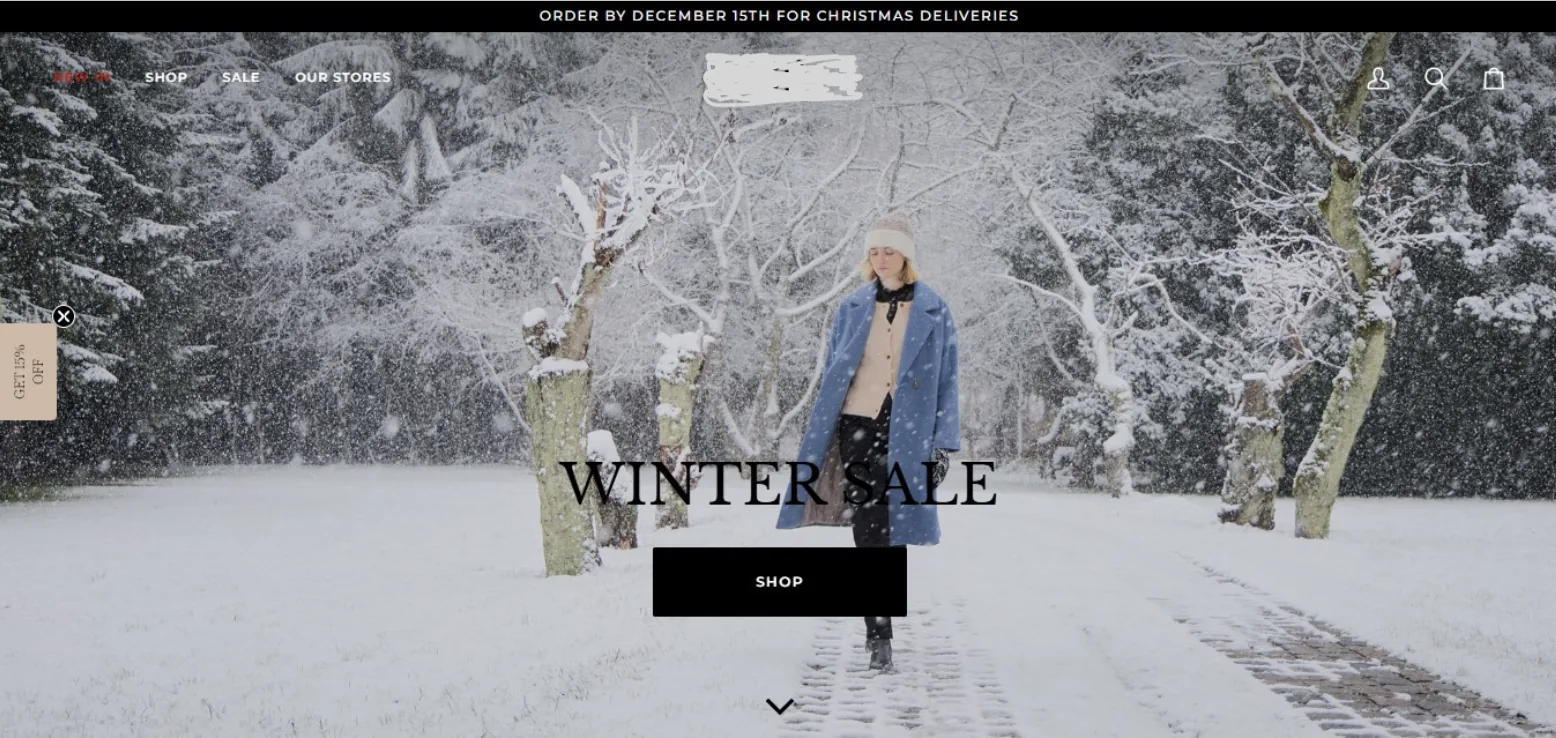
From social media to a Shopify apparel store
A fashion project sold through social media. We built a Shopify store for Europe: catalog, Klarna, and delivery.
Shopify
New channel
EU
Market
View case
E-commerce
From social media to a Shopify apparel store
A fashion project sold through social media. We built a Shopify store for Europe: catalog, Klarna, and delivery.
Shopify
New channel
EU
Market
View case
 E-commerce
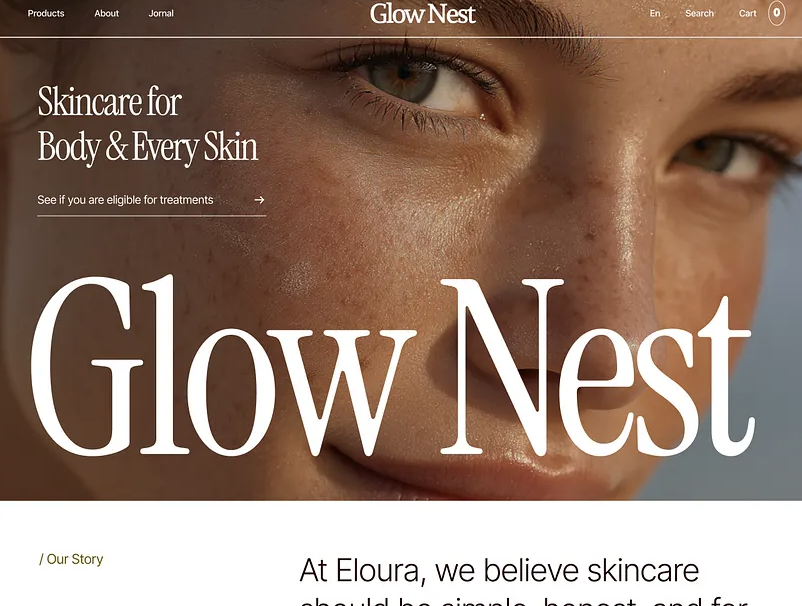
Beauty store on Shopify for the EU
Cosmetics online store on Shopify: catalog, design, payments, and launch for an international market.
Shopify
Platform
EU
Target market
View case
E-commerce
Beauty store on Shopify for the EU
Cosmetics online store on Shopify: catalog, design, payments, and launch for an international market.
Shopify
Platform
EU
Target market
View case
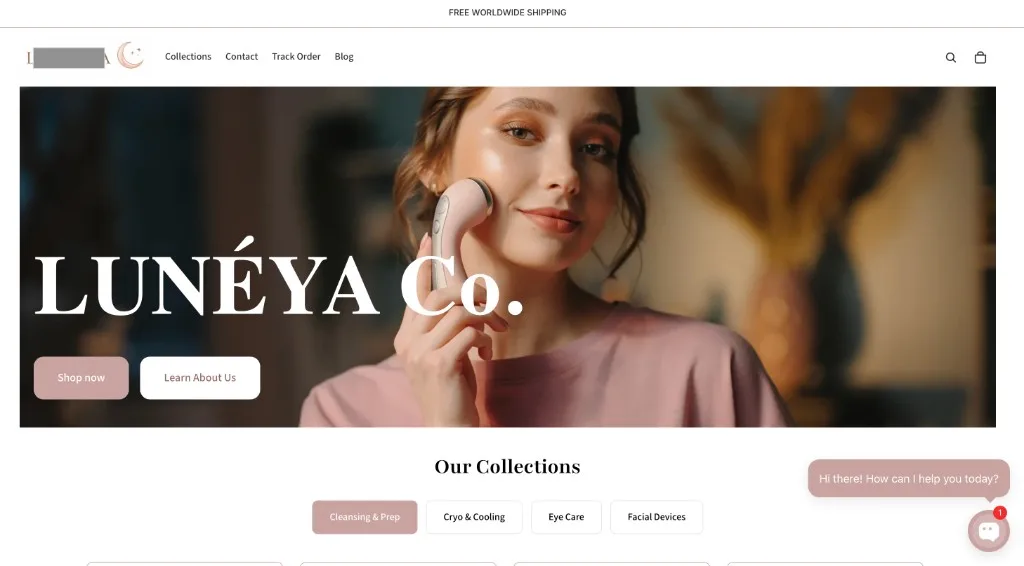 E-commerce
Beauty store on Shopify for the European market
We aligned on a beauty niche, selected 2 test products, suppliers, SEO, and creatives. A Shopify store for Europe.
2
For testing
20
In catalog
View case
E-commerce
Beauty store on Shopify for the European market
We aligned on a beauty niche, selected 2 test products, suppliers, SEO, and creatives. A Shopify store for Europe.
2
For testing
20
In catalog
View case
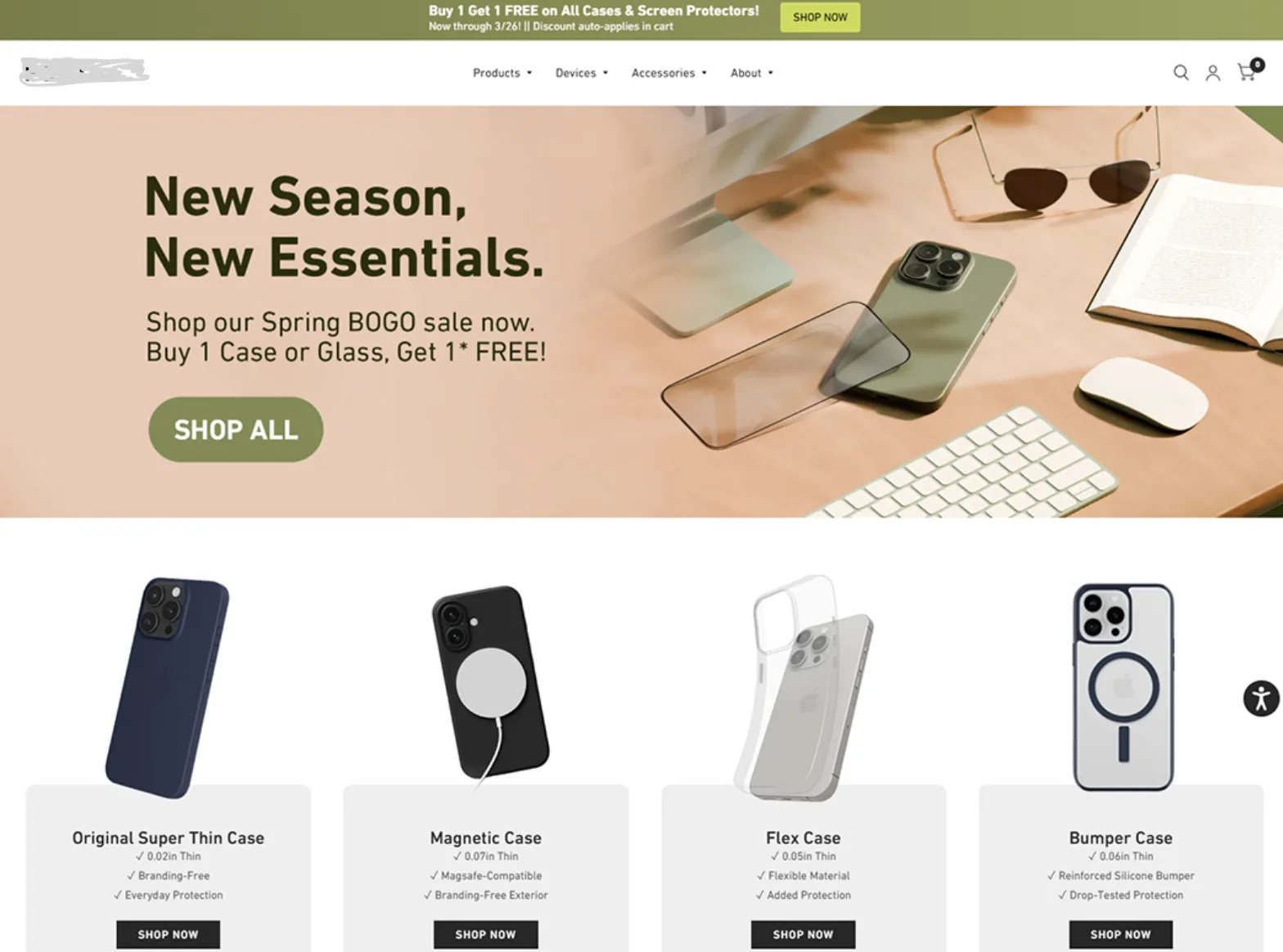 E-commerce
Phone cases store “like the brand”
We built a store from a reference: phone-model case selection, 1+1 mechanics, UGC video, and reviews for the US market.
1+1
Mechanic
4
Lines
View case
E-commerce
Phone cases store “like the brand”
We built a store from a reference: phone-model case selection, 1+1 mechanics, UGC video, and reviews for the US market.
1+1
Mechanic
4
Lines
View case
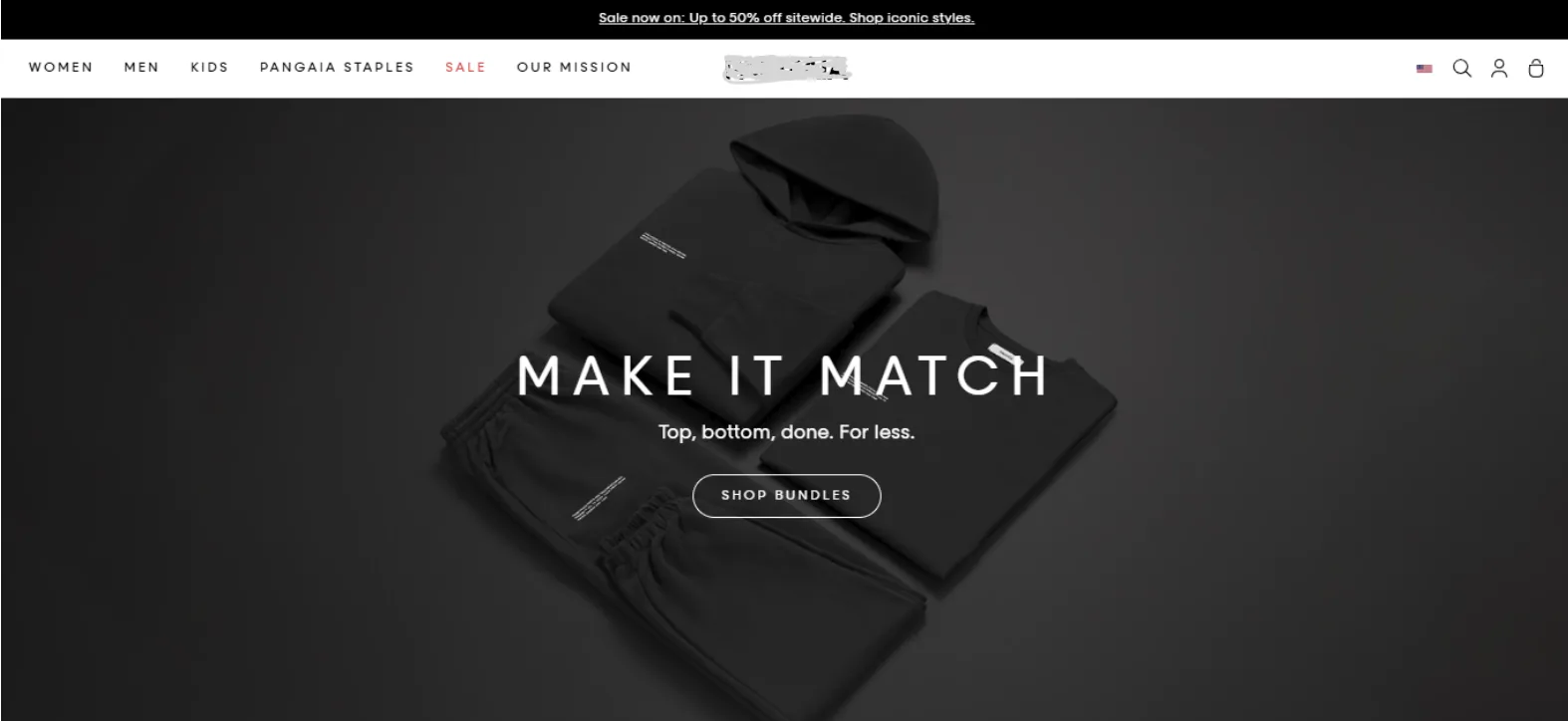 E-commerce
Basics apparel: sets and multi-markets
Shopify basics apparel store: “top + bottom” sets, catalog by materials, and sales in multiple countries via Shopify Markets.
Sets
Sets
Markets
Multiple countries
View case
E-commerce
Basics apparel: sets and multi-markets
Shopify basics apparel store: “top + bottom” sets, catalog by materials, and sales in multiple countries via Shopify Markets.
Sets
Sets
Markets
Multiple countries
View case
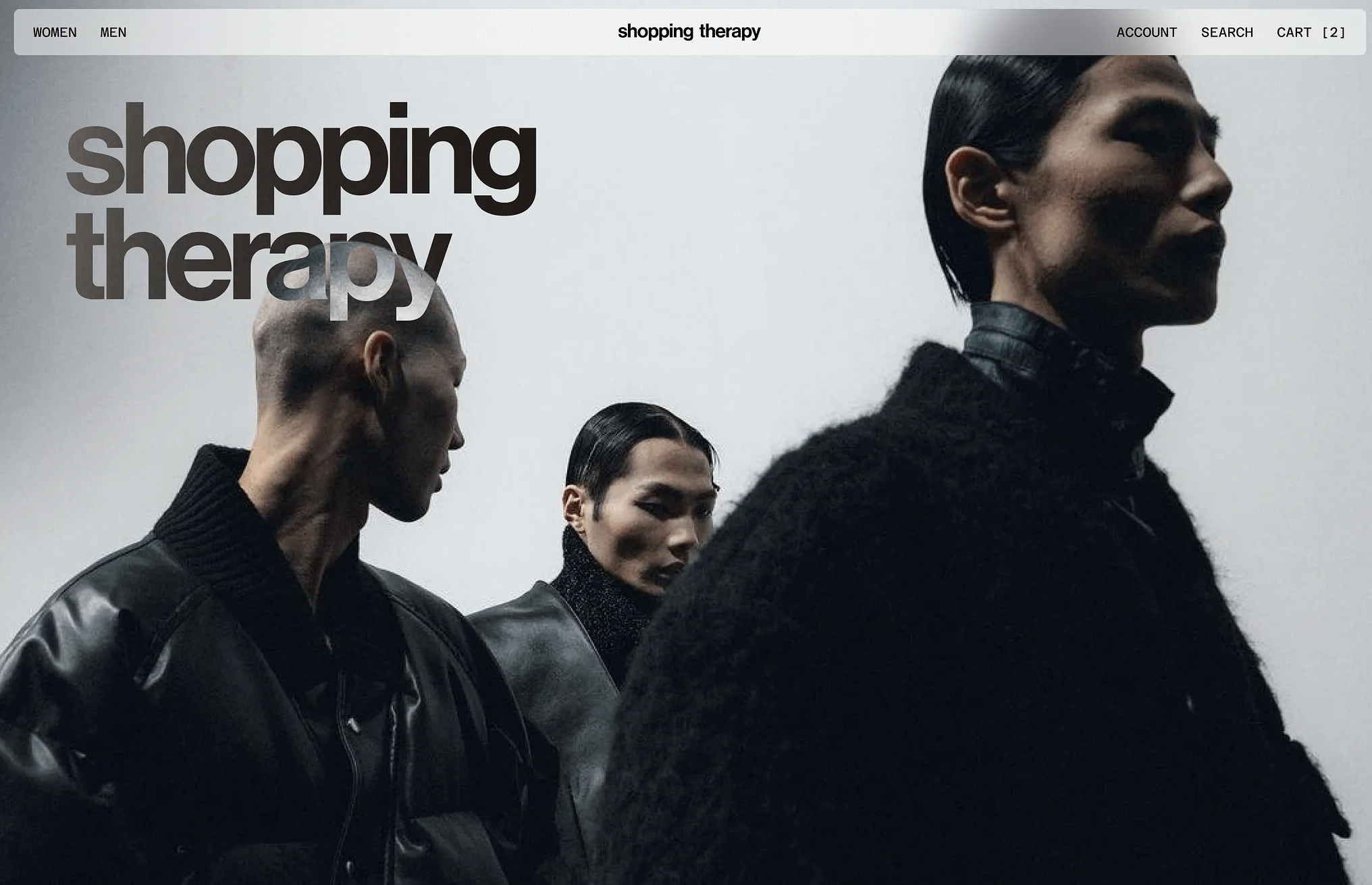 E-commerce
Apparel store on Shopify from scratch
We built an apparel online store on Shopify from scratch and prepared it for international sales launch.
1.8 сек
Load time
Mobile First
Responsive design
View case
E-commerce
Apparel store on Shopify from scratch
We built an apparel online store on Shopify from scratch and prepared it for international sales launch.
1.8 сек
Load time
Mobile First
Responsive design
View case
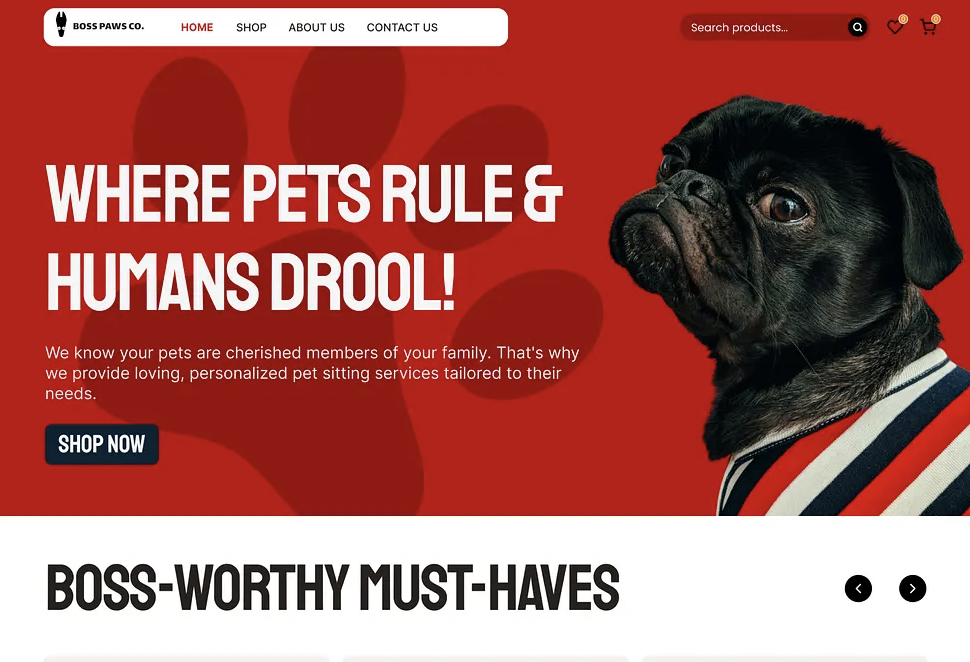 E-commerce
Shopify pet products store
We launched a Shopify store focused on dog products: catalog, payments, and sales readiness.
dogs
First assortment
1.2с
Speed
View case
E-commerce
Shopify pet products store
We launched a Shopify store focused on dog products: catalog, payments, and sales readiness.
dogs
First assortment
1.2с
Speed
View case
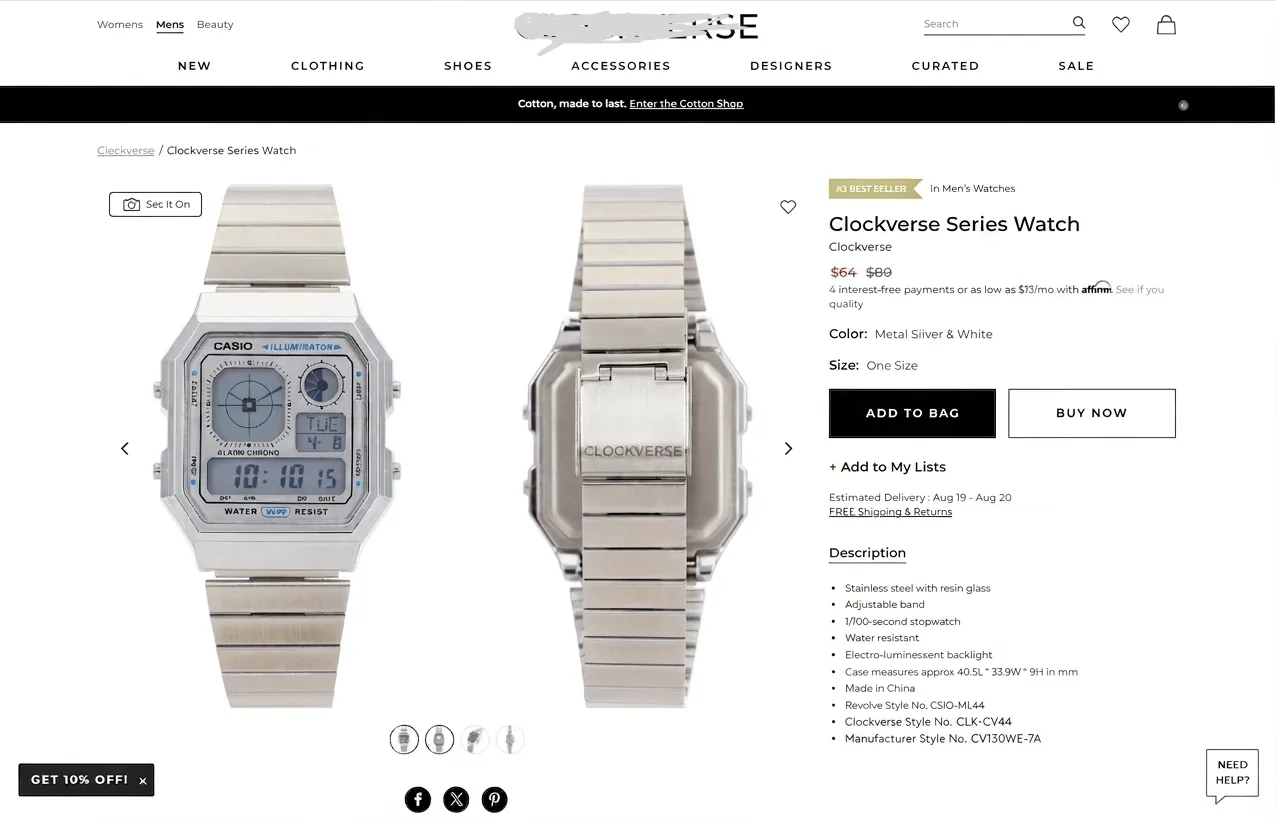 E-commerce
Dropshipping wristwatch store
Watch store on Shopify: model catalog, cards with gallery, installments, and delivery timelines.
Dropshipping
Model
2 weeks
Launch
View case
E-commerce
Dropshipping wristwatch store
Watch store on Shopify: model catalog, cards with gallery, installments, and delivery timelines.
Dropshipping
Model
2 weeks
Launch
View case
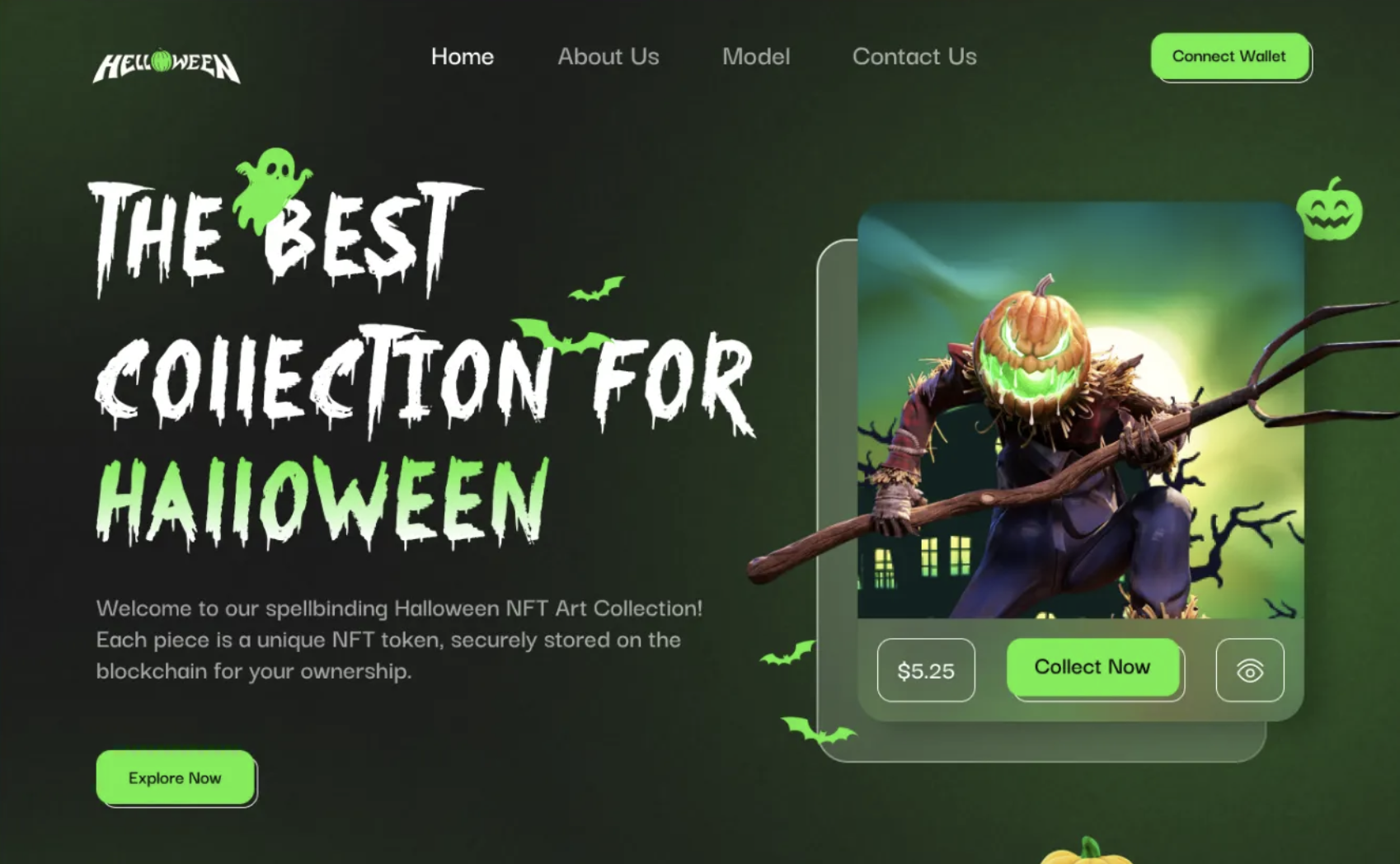 E-commerce
Halloween Store
Seasonal Halloween products online store on Shopify: catalog, styling, and US market launch.
USA
Target market
1.1с
Load time
View case
E-commerce
Halloween Store
Seasonal Halloween products online store on Shopify: catalog, styling, and US market launch.
USA
Target market
1.1с
Load time
View case
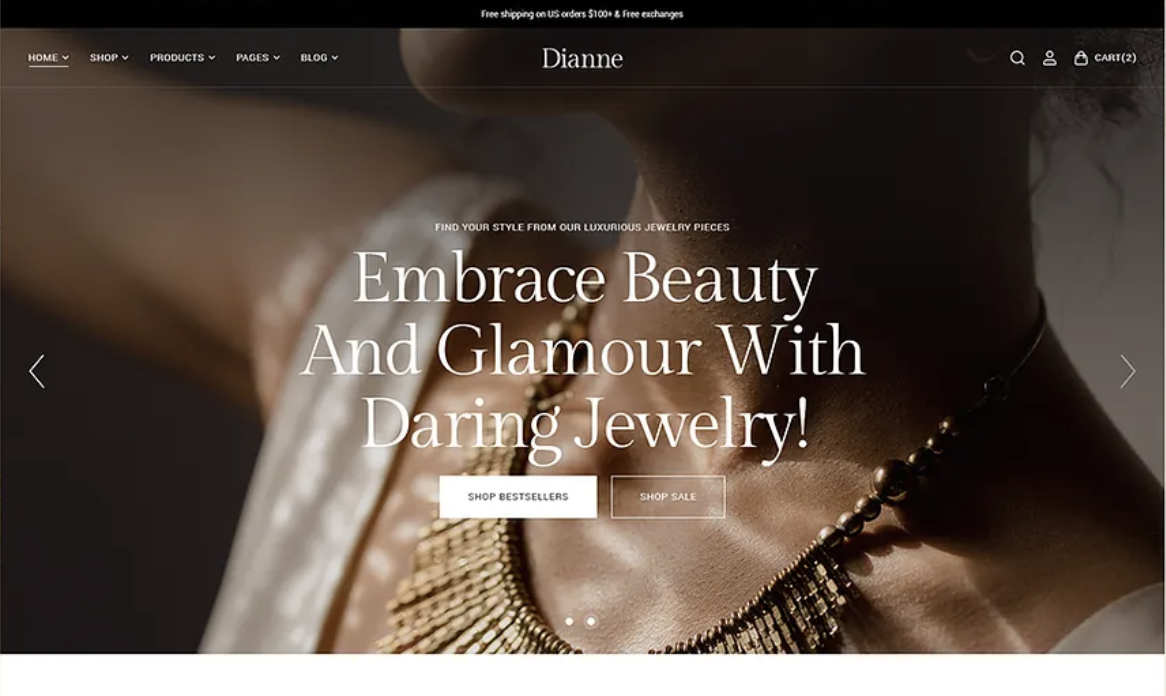 E-commerce
Dropshipping jewelry store on Shopify
Jewelry online store on Shopify for the EU market: assortment, suppliers from China, catalog, and payments.
EU
Market
0.9 сек
Load time
View case
E-commerce
Dropshipping jewelry store on Shopify
Jewelry online store on Shopify for the EU market: assortment, suppliers from China, catalog, and payments.
EU
Market
0.9 сек
Load time
View case
 E-commerce
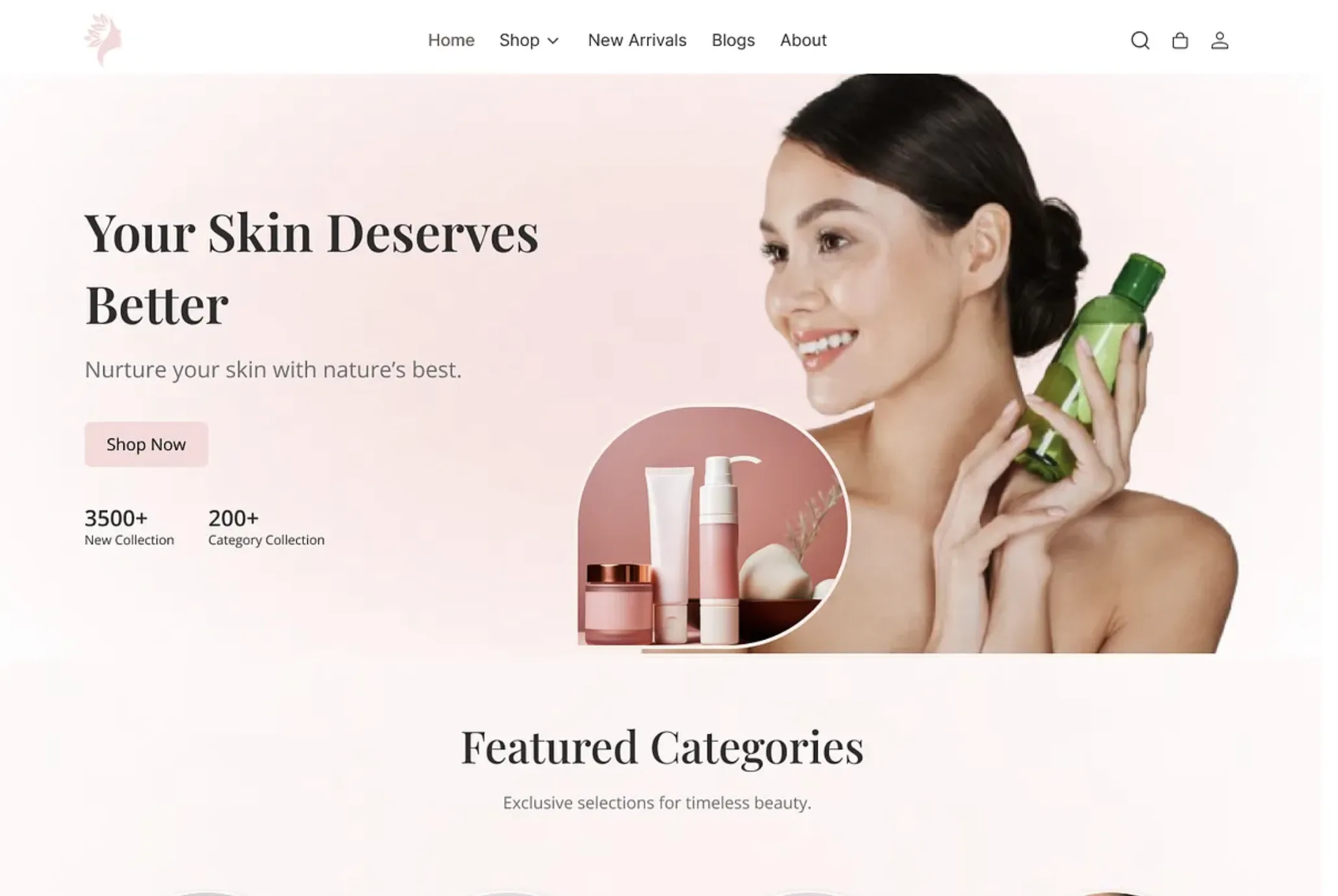
Beauty Dropshipping Store on Shopify
Shopify cosmetics store on a dropshipping model: AliExpress catalog, storefront, and order handoff to the supplier.
500+
Products
AliExpress
Suppliers
View case
E-commerce
Beauty Dropshipping Store on Shopify
Shopify cosmetics store on a dropshipping model: AliExpress catalog, storefront, and order handoff to the supplier.
500+
Products
AliExpress
Suppliers
View case
 E-commerce
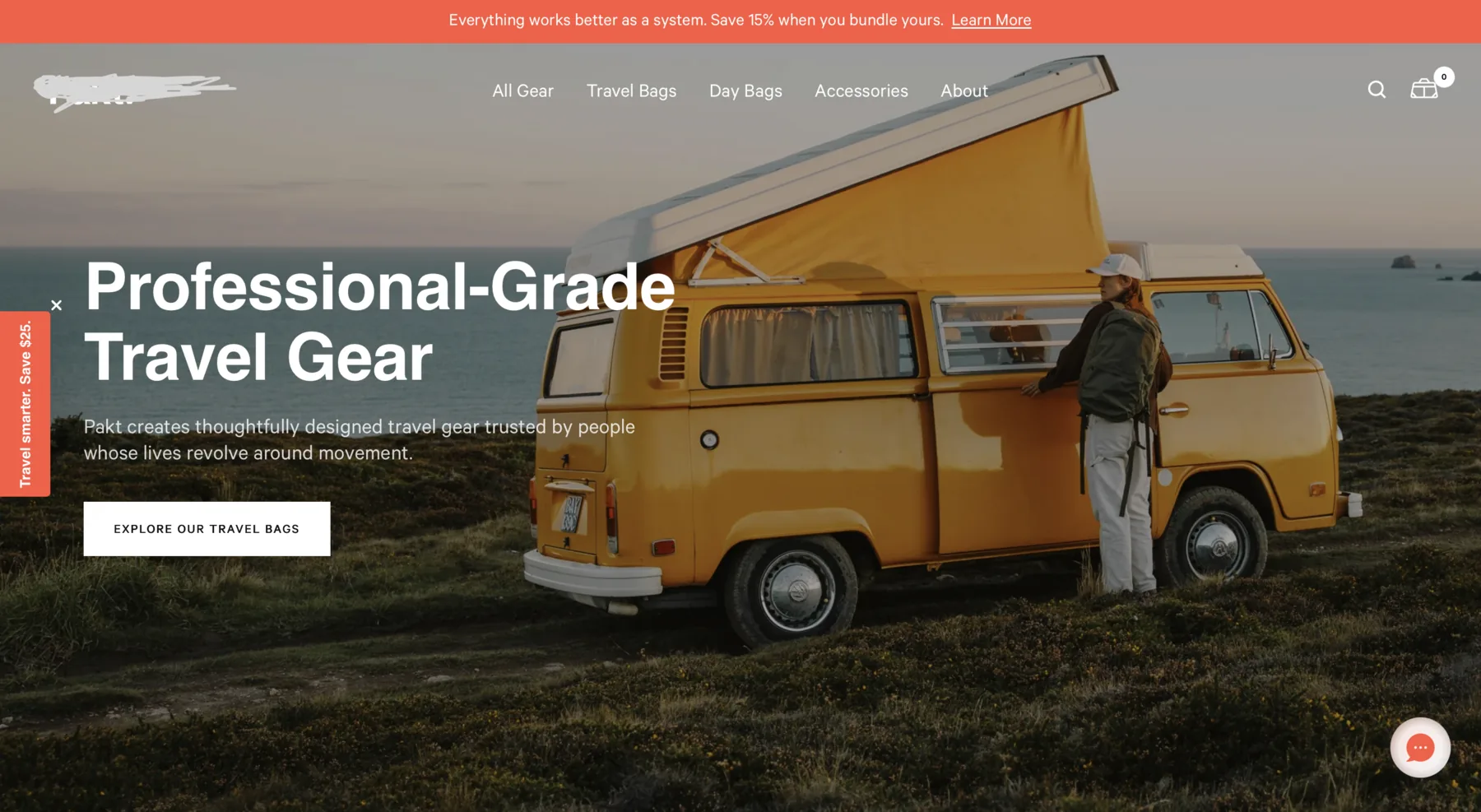
Redesign of a Shopify bags store
A live travel bags store: we redesigned pages and catalog on a theme copy and published without stopping sales.
0
Downtime
15%
Set discount
View case
E-commerce
Redesign of a Shopify bags store
A live travel bags store: we redesigned pages and catalog on a theme copy and published without stopping sales.
0
Downtime
15%
Set discount
View case